Blizzard Pivots StarCraft to Shooters, Sony Blocks Last of Us Mod
Sep 14 - Sep 20, 2026
Blizzard's BlizzCon announcements this week signaled major strategic shifts across two of its franchises. The studio revealed StarCraft's next chapter will abandon real-time strategy entirely for an open-world shooter launching in 2030, with Far Cry veteran Dan Hay directing the project. It's a bold departure for a series defined by competitive RTS play, though details remain thin beyond the genre overhaul itself. On a smaller but more immediate scale, Overwatch received its next support hero, Doctrine, a vampiric character joining an expanded roster alongside map returns and substantial hero reworks - notably converting Sombra fully into Support while repositioning Roadhog as a team-focused Tank.
Sony's handling of a The Last of Us Part 2 Remastered multiplayer mod this week highlighted ongoing tensions between fan creativity and corporate IP control. A community-built mod designed to fill the competitive multiplayer gap left in the remaster (and notably absent from the original Part 2 as well) was shelved after Sony contacted its developer requesting removal. The project had been ready to launch, making the cease-and-desist particularly stinging for fans who'd anticipated playing it.
Elsewhere, character announcements kept several major franchises in the conversation. Atlus rolled out a fresh trailer for Persona 4 Revival introducing Teddie with new English voice work from Laila Berzins, while the Melty Blood team locked down an April 2027 launch date for Twi-Lumina, their 2D fighting game sequel to 2021's Type Lumina. On the leadership front, Final Fantasy 7 Remake director Naoki Hamaguchi confirmed his Creative Studio 1 team at Square Enix is now heading Kingdom Hearts 4's development, extending their reach beyond the FF7 project.
The week also carried sobering news: Polyarc, the developer behind the influential Moss VR series, announced its shutdown without disclosing specific reasons. The closure marks a notable loss for the VR space, where Moss had established itself as a defining experience.
The stories
 New StarCraft game is an open world shooter coming in 2030
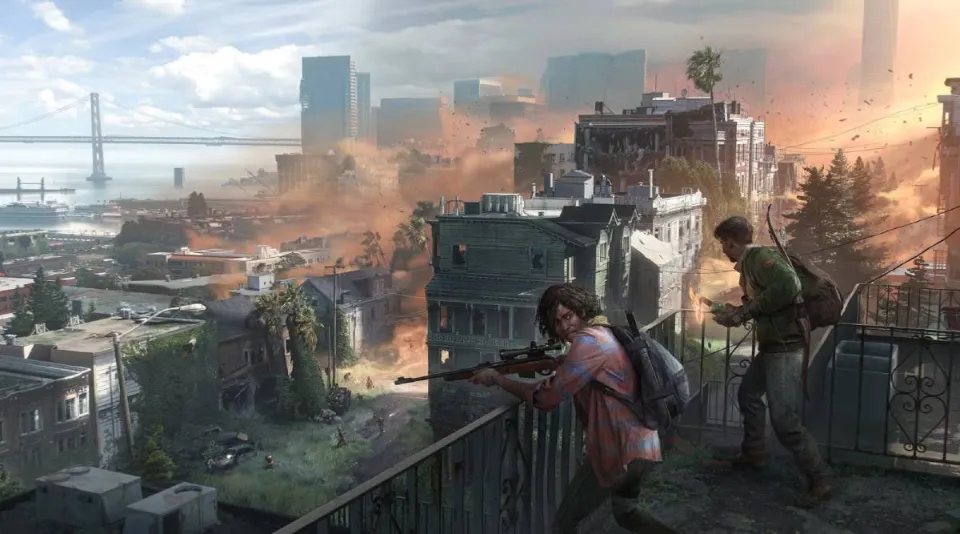 Last of Us Part 2 multiplayer mod ‘canceled by Sony’
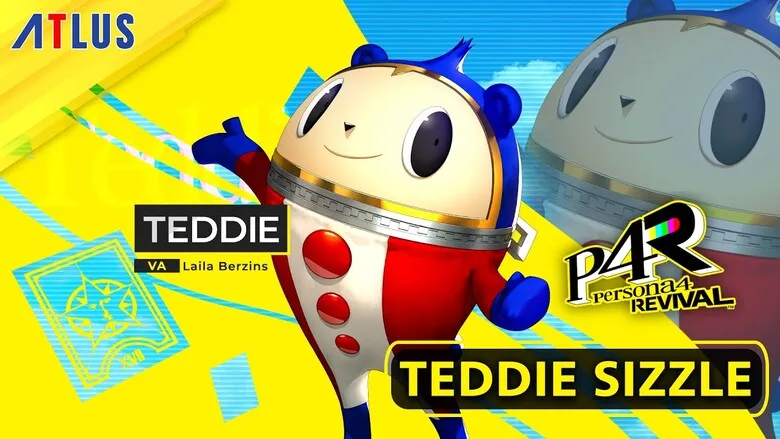 Persona 4 Revival Reveals Teddie Character Trailer, Voiced by Laila Berzins in English
 Overwatch's Next Hero, Doctrine, Officially Revealed at BlizzCon 2026
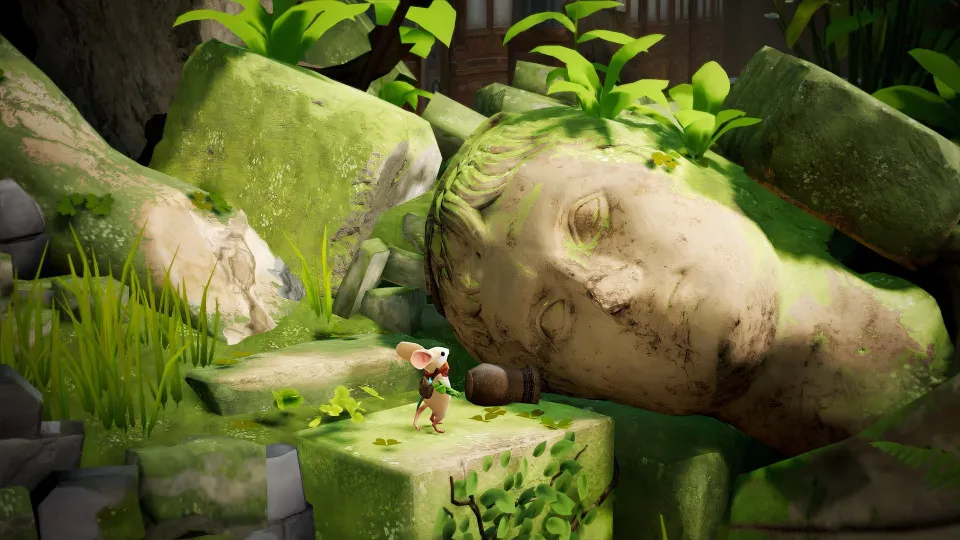 Moss developer Polyarc shutting down
 Melty Blood: Twi-Lumina revealed via new gameplay trailer, set to launch in April 2027
 Director Reveals Final Fantasy 7 Remake Team Has Taken Over Kingdom Hearts 4